
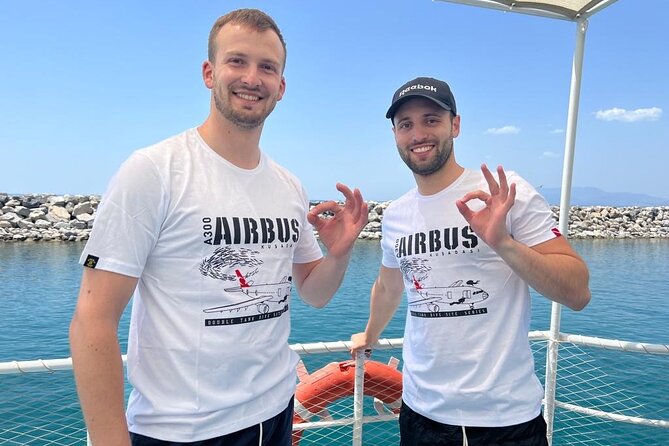
Review · KUSADASI SCUBA DIVING
Explore World’s Largest Plane Wreck by Scuba Diving in Kusadasi
A planewreck 20 meters down sounds unreal. This Kusadasi outing lets you see the world’s largest plane wreck up close, with cockpit swim-through and lots of marine life around the Airbus. I especially like how focused the crew is on safety and comfort, and how the site naturally draws big fish activity right at wreck level. One consideration: the underwater time is short (about 40 minutes), and you’ll need to be comfortable with a rope-assisted descent and a 2-star or higher scuba level.
The biggest win for me is the way the briefing turns first-timers into calm, moving divers fast. On the boat, people I saw were guided step-by-step, including by coaches Tolga and Zeynep, and the pace felt steady rather than rushed. If you want a smooth, well-run experience around the wreck, this setup is built for that.
The possible drawback is also practical: bottled water, snacks, and underwater photos/videos are not listed as included. Also, because the plane sits around 20 meters, the experience may feel like a physical ask if you’re not in good shape or you’re easily stressed underwater.
In This Review
- Key highlights you’ll care about
- Why Kusadasi’s Airbus wreck is so special at 20 meters
- Getting on the boat: pickup, the 9:00 start, and the short timeline
- What happens before you go in: briefing, controlled descent, and rope technique
- The wreck route: cockpit views, swim-through options, and how to enjoy the structure
- Wildlife notes: akyas, black bream swarms, sea rabbits, and lobster
- Safety and skill level: who this suits (and who should think twice)
- What’s included in the $63 price (and what costs extra)
- Value for money: a focused wreck session that doesn’t nickel-and-dime
- Boat and crew vibe: clean gear, steady coaching, and a calm pace
- Marine life viewing tips: how to get more out of a short wreck window
- Food and comfort: lunch included, but bring a drink strategy
- Who should book this plane wreck experience in Kusadasi?
- Should you book this world’s largest plane wreck session?
- FAQ
- What time does the experience start in Kusadasi?
- How long is the scuba wreck experience?
- Is pickup available?
- What’s included in the price?
- Do I need a specific scuba level?
- What’s the cancellation policy?
Key highlights you’ll care about
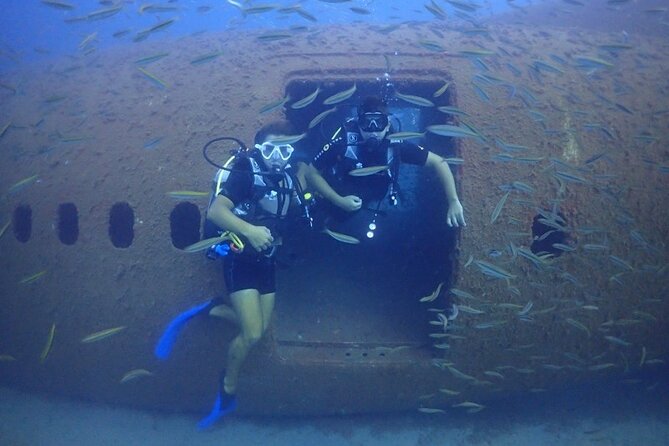
- The Airbus wreck sits around 20 meters down, with the cockpit view and swim-through possible
- A real life marine buffet near the wreck: akyas, black bream swarms, sea rabbits, and lobster
- Rope-assisted, controlled entry from the boat platform, with a briefing that sets you up
- Professional photo/video option (offered as an add-on, not included)
- Crew attention and calm pacing, with coaching support named by multiple visitors
- Value add-ons: scuba equipment, lunch, and all fees/taxes are included in the price
Why Kusadasi’s Airbus wreck is so special at 20 meters
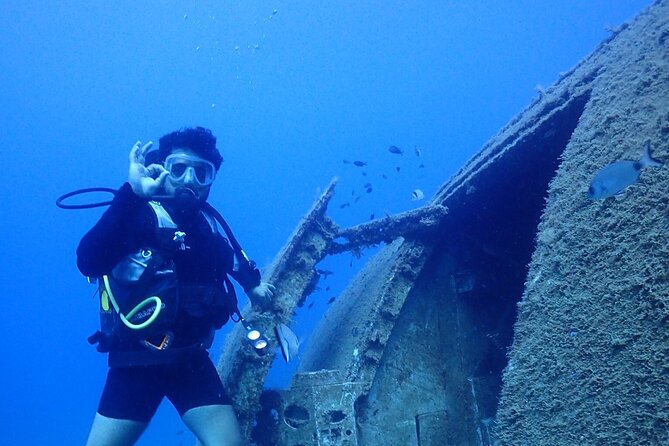
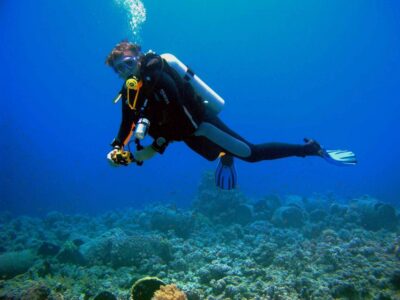
Kusadasi has a reputation for excellent wreck scuba, and this one is the star: the world’s largest plane wreck, shaped by the Airbus that now lives underwater. The wreck’s depth matters. At about 20 meters, you’re not just looking at a structure through a faint “maybe I see it” haze—you’re in the zone where fish activity gets more dependable and the wreck becomes a real place to explore.
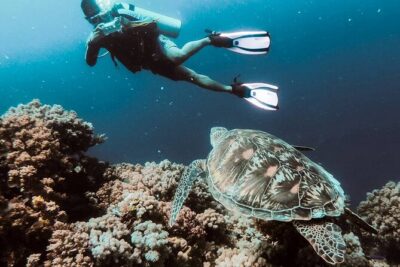
What I like is how the wreck isn’t treated like a photo prop. The plane is now part of the habitat. You can expect to spot crustaceans like lobster and all the usual wreck “regulars,” plus the schooling and grazing behavior that tends to form around hard structure. That makes the experience feel more like meeting an ecosystem than sightseeing a landmark.
And the wildlife details aren’t generic. You’re told to watch for things like akyas and black bream swarms, and even sea rabbits—small, colorful signals that the area is productive. If you’re the type who enjoys noticing small behavior (not just big views), this kind of site tends to deliver.
Down to the reefs and the wreck, more Kusadasi dives
- Kusadasi: Diving Experience with Lunch and Transfer
★ 4.5 · 119 reviews - Guided Scuba Diving Experience in Kusadasi
★ 5.0 · 23 reviews - Kusadasi Scuba Diving Experience w/Instructor incl. Transfer
★ 5.0 · 17 reviews - Explore World’s Largest Plane Wreck by Scuba Diving in Kusadasi
★ 5.0 · 9 reviews
Getting on the boat: pickup, the 9:00 start, and the short timeline
The experience starts at 9:00 am, and it runs for roughly 40 minutes underwater. That time limit is important for your expectations. This is not a half-day “slow tour” of multiple sites; it’s built for a focused wreck encounter. If you want variety more than depth of experience, you may want to compare this with longer itineraries in the area.
Pickup is offered, and the experience is designed to be easy to plug into a day in Kusadasi. You’ll also get a mobile ticket, which is handy if you’re traveling light. The tour description also notes the activity is near public transportation, so even if pickup isn’t used, you’re not stranded.
Group size is capped at 45 people, which is decent. Big groups can sometimes feel chaotic, but here the reviews point toward a “handled, not herded” vibe. The crew’s job is to brief you, gear you, and get you into controlled positions for the water.
What happens before you go in: briefing, controlled descent, and rope technique
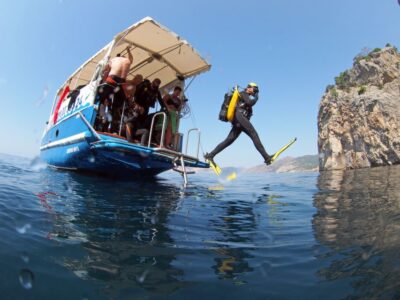
Your session begins on the boat platform, then you continue underwater in a controlled way. The key detail is the rope. You’ll be told to hold onto the rope and follow the guidance as you go down. That sounds simple, but it matters for comfort—especially if you’re not used to wreck depth.
The briefing isn’t just paperwork. It’s how you learn the plan for moving around the wreck safely and with less stress. The controlled entry also helps you manage buoyancy and orientation in a place where your attention will split between depth, structure, and fish activity.
Once you’re in position, you’ll get a chance to see major wreck features. You can reach the cockpit area, and the description says it’s possible to swim through inside the plane wreck. That’s the heart of why people book this specific site: the wreck has enough access points to feel like you’re inside the story.
The wreck route: cockpit views, swim-through options, and how to enjoy the structure
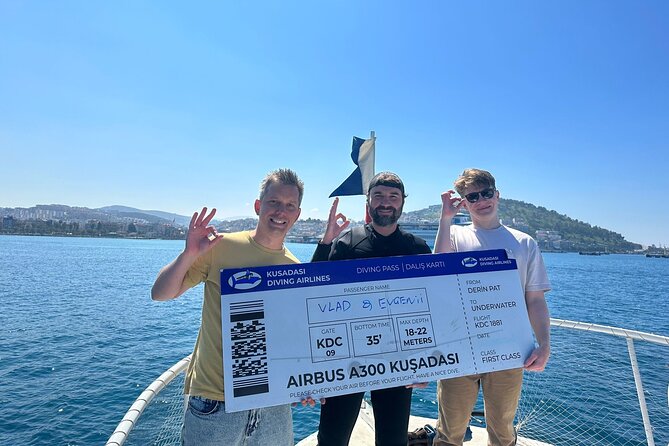
Here’s what you should expect from the actual underwater route. After a controlled descent, you’ll navigate around the Airbus wreck with the goal of reaching visible interior sections, especially the cockpit. Depending on conditions and your comfort level, you may also move through parts of the wreck interior.
The big practical point: this is not a “just float and look from above” experience. You’ll be moving within an environment shaped by metal, openings, and tight spaces. If you like clear instructions and steady pacing, this style fits well.
You’ll also want to keep your eyes on both structure and life. Wrecks can trick you into focusing only on the metal. But you’re in a habitat now, so split your attention. Look for fish hovering in the midwater near the wreck and small signs along the plane’s surfaces.
If you’re someone who enjoys taking in details rather than rushing, the rope-assisted approach gives you time to get bearings. When you’re calm, the wreck becomes less intimidating and more interesting.
Wildlife notes: akyas, black bream swarms, sea rabbits, and lobster
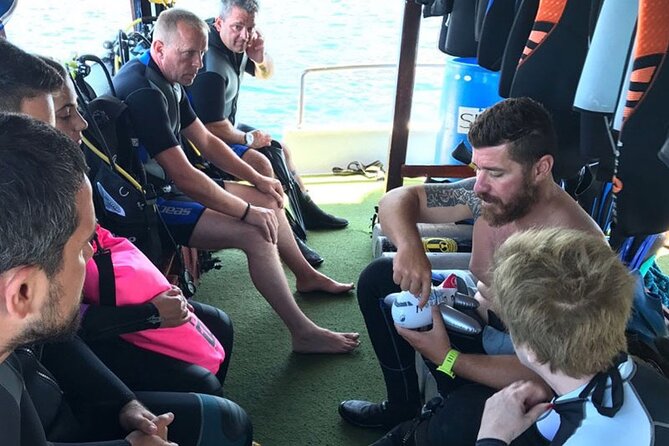
This wreck isn’t just a big object. It attracts visible marine behavior. The description calls out several highlights, and they’re the kind of “tells” that help you know you’re in the right place.
- Akyas: schooling movement can show up around structure and midwater areas
- Black bream swarms: you may see coordinated groups, which can be visually dramatic even without being huge predators
- Sea rabbits: smaller but colorful, great for close attention when you slow down
- Lobster: often tied to shelter behavior on hard structure
Akyas and black bream swarms are the kind of highlights that make a wreck feel alive. Sea rabbits help the experience stay interesting even if the school moves away. And lobster reminds you the wreck has become real “home,” not just a hollow shell.
If you’re the type who takes pride in spotting marine life, this site gives you multiple chances. Short sessions can feel limiting, but here the area is dense enough that you still have a good shot at seeing several types of marine activity in the same general zone.




Safety and skill level: who this suits (and who should think twice)
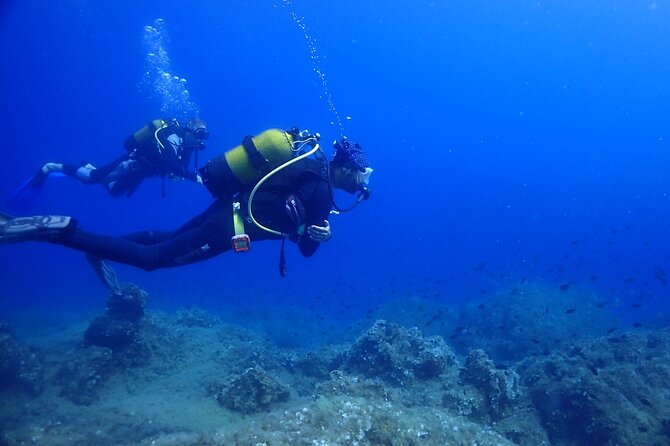
The tour requires moderate physical fitness and allows participation for 2-star or higher scuba level. That tells you the key expectations: you should be able to manage controlled movement underwater and handle the physical requirements of getting to and around the wreck at about 20 meters.
Also note the emphasis on a controlled experience—rope-assisted descent, boat platform entry, and guided positioning around the wreck. That’s great for people who want support. But it also means you should be ready to follow directions closely and maintain stable buoyancy.
If you’re brand-new to scuba and you’re unsure about holding buoyancy or staying calm at depth, don’t force it. This is a structured wreck environment, not a shallow reef “practice run.”
On the positive side, the coaching attention mentioned in multiple experiences suggests the crew is used to different comfort levels and doesn’t treat safety like an afterthought. If your main goal is to feel looked after while exploring a real wreck, this setup aligns well.
What’s included in the $63 price (and what costs extra)
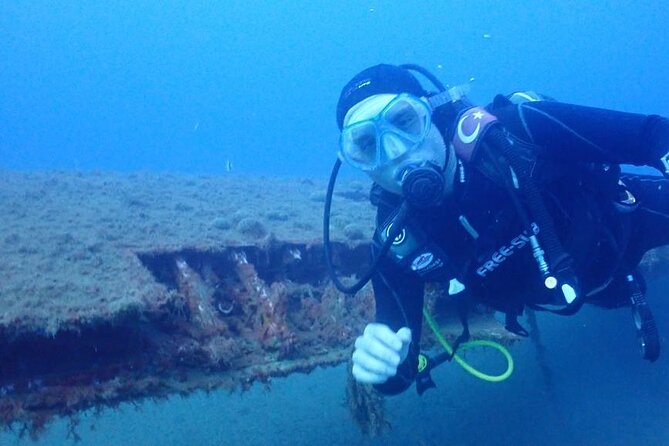
Let’s talk value, because the price is only interesting if it matches what you actually get.
Included:
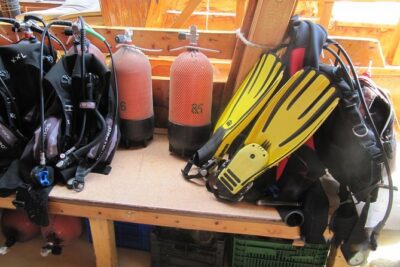
- Use of scuba equipment
- Lunch
- All fees and taxes
Not included:
- Snacks
- Bottled water
- Soda/Pop
- All drinks
- Underwater photos/videos
- Ice cream
For many people, the biggest value is that equipment is handled and included, so you’re not juggling rentals or last-minute costs. Lunch also matters. Short underwater tours can leave you hungry, and having it included prevents your day from turning into a scavenger hunt.
The “not included” list is pretty normal, but it changes how you should plan. If you know you’ll want bottled water or extra snacks, plan to buy them separately. And if you care about photos/videos, budget for the add-on, since underwater photo/video shots aren’t included.
Value for money: a focused wreck session that doesn’t nickel-and-dime
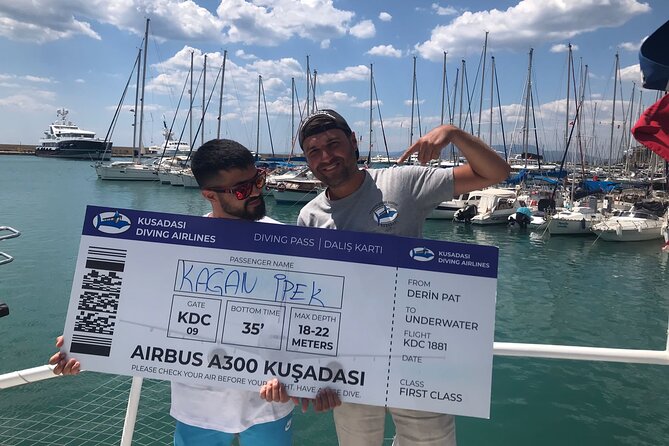
At around $63, you’re paying for a tight, professional setup: gear, lunch, fees/taxes, and a wreck-focused water experience. The depth and wreck access are what usually make wreck outings pricier elsewhere, so this price feels competitive for what you get—especially if you’re already comfortable with the concept of wreck structure.
The short duration (about 40 minutes) can be a plus or minus depending on your style. If you want maximum quality per minute and you like not spending the whole day at sea, it fits. If you want a longer underwater “tour,” you might prefer something longer with multiple sites.
The best part about the value is that the experience seems designed to reduce stress. A clean, well-run boat and step-by-step guidance can be worth as much as any feature list, because it directly affects how much you enjoy the wreck instead of worrying about what to do next.
Boat and crew vibe: clean gear, steady coaching, and a calm pace
More than once, the details people highlighted were about how the crew shows up: friendly, professional, and not rushed. A big boat can sound like it would feel impersonal, but the descriptions emphasize organization—getting people handled and kept comfortable, including checks during the session.
Coaching names came up: Tolga and Zeynep. Hearing specific names usually means people remembered the human part of the day, not just the scenery. That matters, because wreck conditions can feel intense, and having real coaching makes the environment feel manageable.
One more practical point: people mention a smooth flow from port to boat and back when pickup is used. If you’re on a day plan with limited time, that reduces the chance of your “scuba morning” turning into a timing scramble.
Marine life viewing tips: how to get more out of a short wreck window
With only about 40 minutes underwater, the trick is to move with purpose but not speed. You want a plan for what to look at first, then what to check second.
My approach would be:
1) Spend a few moments confirming you can control position and buoyancy around the wreck structure
2) Aim for the cockpit area while you’re still fresh and oriented
3) Slow down once you arrive and scan the edges for lobster shelter behavior
4) Watch for the big schooling moments (akyas and black bream swarms), but don’t ignore the small stuff like sea rabbits
Because the wreck is a habitat, fish behavior can change quickly. Schools may pass through, then regroup. If you keep scanning the same general area calmly, you usually catch more than if you chase.
If you’re planning to add professional underwater photos/videos, remember that you’ll likely need to follow the photographer’s positioning and timing. That can change your movement rhythm, so don’t treat it like an afterthought.
Food and comfort: lunch included, but bring a drink strategy
Lunch is included, which is a real win for a short day. It keeps you from feeling lightheaded later and helps you recover before you head back out into town.
But drinks are not included. Bottled water and soda/pop are listed as not part of the package, along with other drinks. So if you’re someone who drinks a lot, you’ll want to plan ahead.
A simple strategy: eat the included lunch, then add water on top. That way you don’t rely on having enough drinks with you.
Who should book this plane wreck experience in Kusadasi?
This works best if you want:
- A wreck experience with real interior access like the cockpit and swim-through opportunities
- Marine life that’s actively present, not just “look for something maybe”
- A well-run operation where safety and coaching are clearly part of the program
- A short, focused session that doesn’t swallow your whole day
It’s especially appealing if you’ve been curious about wreck structure but prefer a controlled approach—rope-assisted movement and guided positioning help.
It may not be for you if:
- You’re not comfortable meeting the required 2-star or higher scuba level
- You struggle with moderate physical demands
- You’re very sensitive to depth and want something shallower
- You want multiple different sites and a longer on-water schedule
Should you book this world’s largest plane wreck session?
I’d book it if your dream day in Kusadasi includes a major wreck at about 20 meters and you care about seeing more than just metal. The combination of cockpit access, likely fish activity like black bream swarms and akyas, and real habitat life like lobster and sea rabbits makes it feel like a living underwater site, not a gimmick.
I’d think twice if you’re chasing a long, slow itinerary or you’re trying to “test the waters” at the very edge of your comfort zone. For people who can handle the basic depth and movement requirements, though, this is a strong value: gear and lunch included, a structured plan, and a crew that keeps people feeling safe.
If you’re deciding between options in Kusadasi, this one is a clear choice when your priority is wreck access plus marine life in one concentrated window.
FAQ
What time does the experience start in Kusadasi?
The start time is 9:00 am.
How long is the scuba wreck experience?
The duration is about 40 minutes (approx.).
Is pickup available?
Yes, pickup is offered.
What’s included in the price?
Included items are use of scuba equipment, lunch, and all fees and taxes.
Do I need a specific scuba level?
Yes. Participation is for 2-star or higher scuba level.
What’s the cancellation policy?
You can cancel for free up to 24 hours in advance for a full refund. The experience also needs good weather, and if it’s canceled due to poor conditions, you’ll be offered a different date or a full refund.
The Rest of the Shortlist

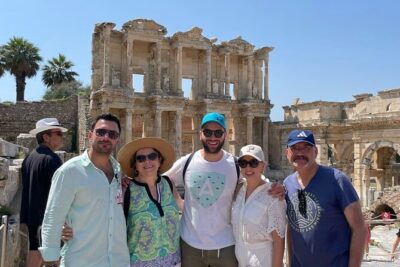
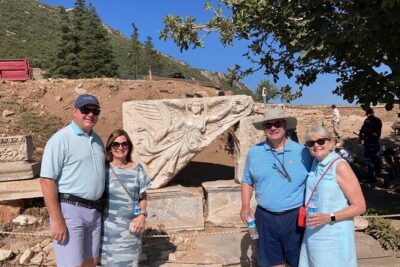
Under the Aegean off Kusadasi
Just Added Around Kusadasi
- Ephesus and House of Mary from Kusadasi Cruise Port★ 4.0 · 3 reviews
- Ephesus: 4-Hour Guided Tour with Transfer from Kusadasi★ 5.0 · 3 reviews
- Sirince Village & Selcuk Bazaar Tour From Kusadasi★ 4.5 · 3 reviews
- FOR CRUISERS: Best of Ephesus Tour with GUARANTEED ON-TIME RETURN★ 5.0 · 3 reviews
- Shore Excursion: Private Pamukkale Tour From Kusadasi Port★ 5.0 · 3 reviews
- For Cruisers: Ancient Ephesus Private Tour From Kusadasi Port★ 5.0 · 3 reviews
Kusadasi Scuba Diving, compared.
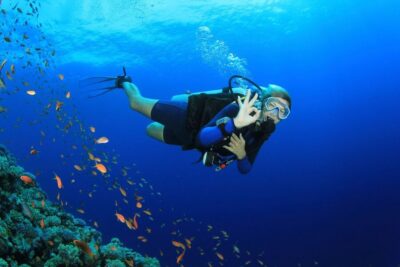 ★ 4.5Diving Experience with Lunch and TransferFrom $53119 reviews
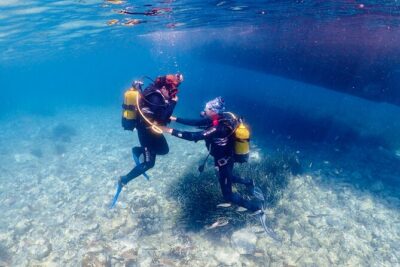 ★ 5.0Guided Scuba Diving Experience in KusadasiFrom $7923 reviews
 ★ 5.0Kusadasi Scuba Diving Experience w/Instructor incl. TransferFrom $6617 reviews
 ★ 4.5Kusadasi Scuba Diving Tour By Local ExpertsFrom $409 reviews
 ★ 3.6Didim: Scuba Diving Experience w/Hotel Pickup & LunchFrom $838 reviews
 ★ 4.8Scuba Diving for Beginners w/Lunch & TransferFrom $597 reviews
 ★ 4.6Scuba Diving for Beginner or Experienced w/ LunchFrom $597 reviews
 ★ 5.0Scuba Diving Tour From Kusadasi / SelcukFrom $913 reviews
Browse the lists this tour appears in