
Review · HOUSE OF THE VIRGIN MARY TOURS
Ephesus & Mary’s House & Artemission Tour for Cruisers
Ephesus in one cruiser-friendly day. This tour strings together three heavy-hitters on the Aegean coast—Ephesus ruins, the House of Mother Mary, and the Temple of Artemis—so you get the big wow without wasting your port time. You meet your guide at Kusadasi Port, then ride in an air-conditioned vehicle as the sites start stacking up fast.
I really like two things here. First, you get skip-the-ticket-line handling so your morning doesn’t stall out at gates. Second, the guide walk-through at Ephesus makes the stones make sense—Celsus Library, the Great Theater, Hadrian’s Temple, and more feel connected, not like a checklist.
One thing to think about: the tour price usually won’t cover site admissions. Plan on paying extra cash (in euros, dollars, or Turkish lira) for entry, and the overall schedule is tight—great for cruise time, less great if you want to linger.
In This Review
- Key Things You’ll Notice on This Kusadasi Cruise Tour
- Meeting Kusadasi Port: Where the Day Actually Starts
- Temple of Artemis: Seeing a Seven Wonder Without the Myth Fog
- Ephesus: Celsus, Theater, Hadrian’s Temple, and the Stuff You Can Still Feel
- Odeon and Roman Baths: The City’s Everyday Pulse
- Celsus Library: Where Architecture Does the Acting
- Hadrian’s Temple and Trajan’s Fountain: Power, Pride, and Public Space
- Great Theater of Ephesus: The Shape of an Audience
- One practical consideration: your time is limited
- Complimentary Lunch, Rug Weaving, and the Leather Fashion Moment
- House of Mother Mary on Mount Nightingale: Quiet Views, Big Tradition
- A heads-up: you may see a museum-related alternative
- Price and Value: What You Pay, What You Don’t, and How to Budget
- Why this still can be good value
- Practical Comfort Tips for a 6-Hour Day
- Who Should Book This Tour (and Who Might Not Love It)
- Should You Book This Ephesus, Mary’s House, and Artemis Tour?
- FAQ
- FAQ
- How long is the Ephesus & Mary’s House & Artemis tour for cruisers?
- Where do I meet the guide for this tour?
- What’s included in the price?
- What admission fees should I budget for?
- Do I need to pay in advance for skip-the-line tickets?
- What should I bring, and is there anything I can’t bring?
Key Things You’ll Notice on This Kusadasi Cruise Tour
- Skip-the-line entry handling to keep you moving
- Ephesus highlights packed into ~6 hours, including Celsus Library and the Great Theater
- Mary’s House visit on Mount Nightingale, with a calmer pace in the afternoon
- Lunch plus a sales-oriented stop connected to rugs and a leather shop fashion moment
- Optional private group available if you want a more flexible feel
Meeting Kusadasi Port: Where the Day Actually Starts
This is built for cruise schedules, so the first win is simple: you meet your guide at the main gate of Kusadasi Port. From there, you’re transferred by air-conditioned, non-smoking vehicle—no hunting for taxis, no awkward parking logistics.
Your guide also handles the site entry flow. They’ll have pre-paid skip-the-line tickets, but the actual admission costs are paid directly to the guide in cash for the sites. That means you can spend your energy looking at ruins instead of staring at ticket counters.
The tour runs rain or shine, so bring a hat or sunglasses even if the clouds look dramatic. The best pair of comfortable shoes you own is still the most important item on the list.
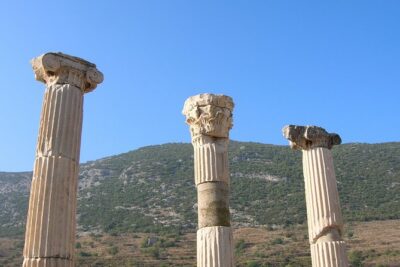
One lone column left standing, more trips past the Artemision
- KUSADASI PORT: House of Mary, Ephesus and Atemis Temple Tour
★ 4.5 · 10 reviews - Private Tour of Ephesus,House of Mother Mary &Artemis Temple from Izmir
★ 5.0 · 4 reviews - Ephesus & Temple of Artemis Private Tour from Kusadasi Port
★ 4.6 · 4 reviews
Temple of Artemis: Seeing a Seven Wonder Without the Myth Fog
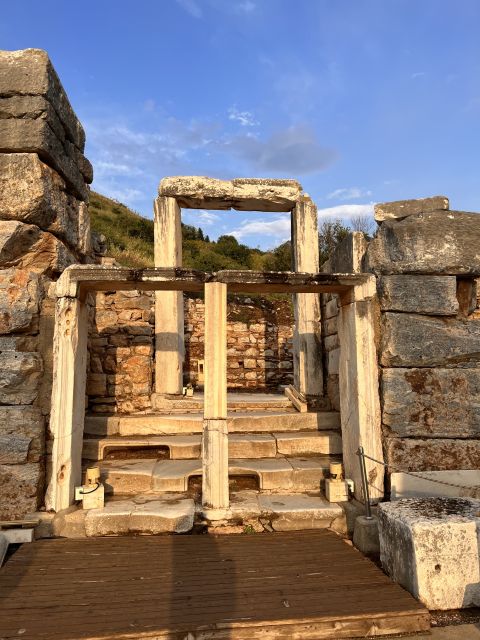
Your morning begins with the Temple of Artemis, one of the ancient world’s famous wonders. Even though the site is in ruins, that’s part of what’s interesting: you’re looking at the footprint of ambition—something enormous that once defined a major religious and civic center.
The quick drive and first stop matter because it sets expectations. Artemis isn’t just a photo op. You’ll be in the frame of the ancient world before you start walking through Ephesus, so the Roman-era buildings and later restorations make more sense in your head.
Also, this stop is usually a breather compared to the intensity of walking through Ephesus. If you’re traveling with kids or anyone who needs frequent visual resets, that first visit helps.
Ephesus: Celsus, Theater, Hadrian’s Temple, and the Stuff You Can Still Feel
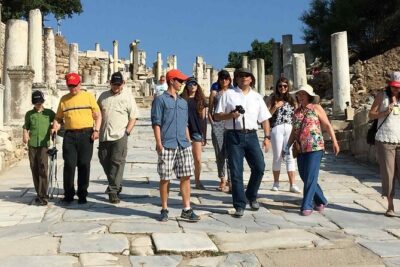
Ephesus is one of the best-preserved ancient cities, and you can tell within minutes. The guide typically starts you at key civic and performance spots, then works you through the most famous structures—so you get both the layout and the drama.
Here’s what you’re likely to see, and why each stop is worth your limited cruiser hours:
Odeon and Roman Baths: The City’s Everyday Pulse
Before you hit the postcard stars, you’ll pass through places tied to how people lived and governed. The Odeon—where an advisory council held meetings—gives you a sense of local leadership. Then the Roman Baths and surrounding columns and monuments show the scale of public life.
These stops are important because they stop Ephesus from being only sightseeing. It becomes a functioning city with systems, schedules, and social spaces.
Celsus Library: Where Architecture Does the Acting
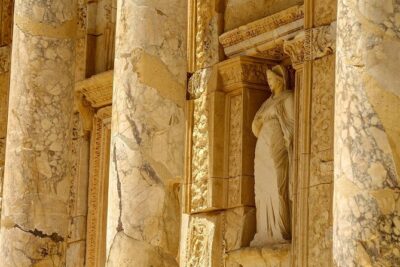
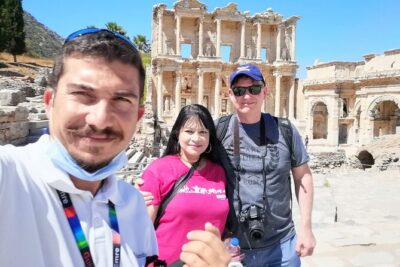
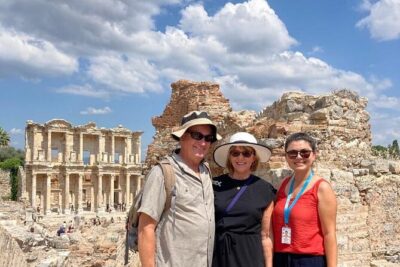
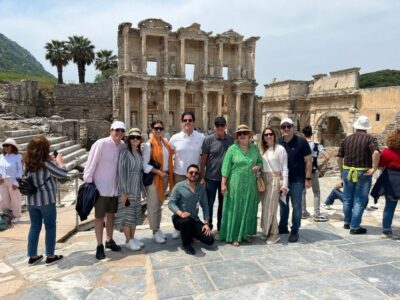
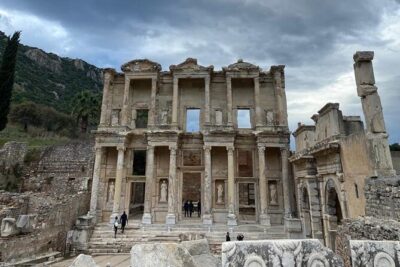
Then comes the big one: the Celsus Library. The façade is the kind of structure that makes you want to slow down even when the day is moving fast. What you’re really seeing is how art and power worked together—this wasn’t a quiet little book room.
If you’re into photography, this is where you’ll likely want your camera ready. If you’re not into photography, it’s still the place where the guide’s explanations make the most difference, because the building’s design is meant to impress.
Up the hill to Meryemana, more tours that call there

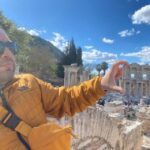
Hadrian’s Temple and Trajan’s Fountain: Power, Pride, and Public Space
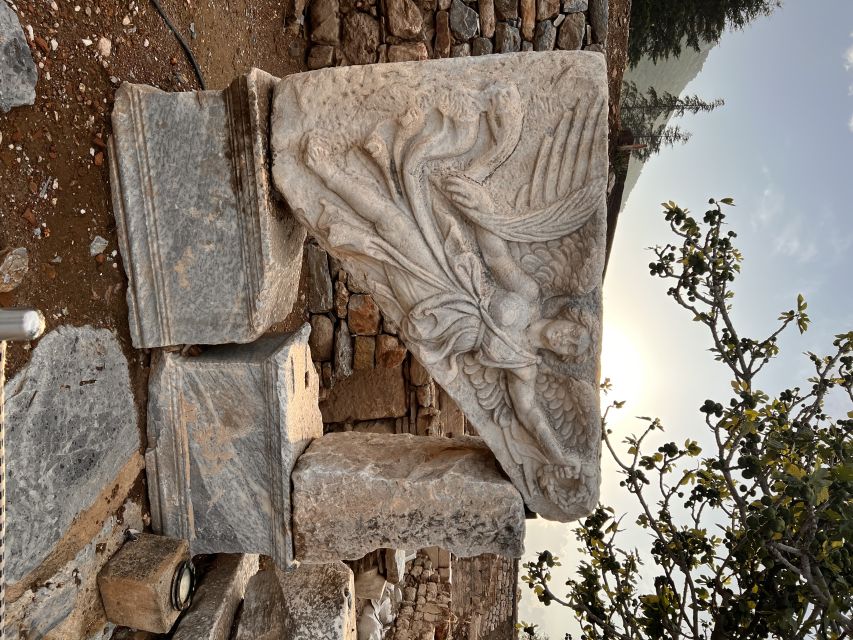
You’ll also visit Hadrian’s Temple and Trajan’s Fountain. These are the kinds of ruins that make you understand Roman influence in a physical way. The columns and monumental forms aren’t just decorative—they’re statements.
Even if you’ve seen pictures before, being there is different. The scale hits. The way these structures line up with streets and sightlines is what turns ruins into a city again.
Great Theater of Ephesus: The Shape of an Audience
Finally, you get to the Great Theater. This is where Ephesus turns cinematic. You can stand and feel how people once packed in for performances and announcements.
If your group includes seniors or kids, this is also a useful stop because it’s a natural pause point—you can look around, rest your legs, and still feel like you accomplished something huge.
One practical consideration: your time is limited
Six hours goes fast. That’s a feature for cruise days, but it also means you won’t have unlimited wandering time. You’ll get the highlights in a smart sequence—still, if you’re the type who likes to sit for 20 minutes staring at one mosaic, you may wish you had more.
Complimentary Lunch, Rug Weaving, and the Leather Fashion Moment
The tour includes a complimentary lunch in a local restaurant, which helps a lot on a day that otherwise has extra expenses. The catch is that lunch comes with strings: you may also be taken to a rug weaving school where there’s a demonstration and sales pitch.
Here’s how to think about that. On the one hand, rugs are a real craft, and it can be genuinely interesting to watch how patterns are made. On the other hand, it’s not a free wandering period. It’s time spent in a commercial setting, and it can feel like a sales stop wrapped into a meal.
After that, you’ll also have time connected to a leather manufactory shop, including a fashion show. This doesn’t have to be your thing, but it’s part of the way some tours add cultural stops without adding separate ticket costs.
If your priority is pure ruins and nothing else, you might feel the shopping elements pulling attention away from the history. If you like shopping for regional crafts and don’t mind a structured presentation, it can be a positive add-on.
House of Mother Mary on Mount Nightingale: Quiet Views, Big Tradition
In the afternoon, you head to the House of Mother Mary on Mount Nightengale. This stop shifts the tone from busy archaeology to something more reflective. The area’s setting plays a role in why people come—your day slows down just enough to reset after Ephesus.
Religiously and historically, it’s tied to tradition, and you’ll likely hear context from your guide in plain, understandable terms. Even if you’re more secular than spiritual, the visit is still worthwhile because it gives you a contrast to the civic, public side of ancient life.
A heads-up: you may see a museum-related alternative
On at least some departures, you might find your route includes museum viewing related to the Mother Mary area rather than only the house itself. In that case, you can still walk away feeling like you got an engaging cultural stop, since the museum content can be impressive even if it’s not the exact structure people expect.
Price and Value: What You Pay, What You Don’t, and How to Budget
At $80 per person, this tour can be a solid value for cruise travelers who want a guided, timed day without hassles. The included pieces are meaningful:
- Professional English-speaking guide
- Transfer service from Kusadası Port/Hotel
- Complimentary lunch
- Air-conditioned, non-smoking vehicle
- Car park fees
- Skip-the-line entry handling (the entry process, not the admission itself)
But your budget needs one clear step: admissions are not included. The listed entry costs are 40 EUR per person for Ancient Ephesus and 15 EUR per person for the House of Mother Mary. Those add up fast, so plan to carry cash for the guide.
Why this still can be good value
If you try to do this on your own, you’d likely pay for a guide or a private driver anyway—plus you’d lose time. The biggest practical advantage is that your guide lines up the day so you spend your energy at the sites, not stuck in queues or navigating logistics.
The tour is also built for people who need the day to end cleanly back at Kusadası Port.
Practical Comfort Tips for a 6-Hour Day
This is a walking day. Not a marathon, but you will be on your feet on uneven ancient surfaces and in outdoor areas.
Bring:
- Comfortable shoes
- Sunglasses
- A hat
- Camera
- Passport or a copy
- A charged smartphone (handy for maps and photos)
Not allowed:
- Tripods (so plan for hand-held shooting)
A couple of common-sense tips:
- Wear breathable layers. The morning can feel different from afternoon depending on wind and sun.
- If you’re prone to getting thirsty, keep a bottle with you when you’re allowed.
And one important limitation: this tour is not suitable for people with mobility impairments. The walking at ancient sites and the terrain make it tough.
Who Should Book This Tour (and Who Might Not Love It)
This works best if you:
- Are on a cruise stop with limited time and want top Ephesus sights plus Mother Mary
- Want an English-speaking guide handling the flow
- Prefer guided context over wandering alone
- Don’t mind a structured day that includes a couple of shopping/craft stops
You may want to skip it if you:
- Want hours of unstructured time at Ephesus
- Don’t want any sales-oriented stops with lunch
- Need accessibility support beyond what’s typical for walking ruins
If you’re traveling as a family, this can be an easy win because the day has variety: theater drama, library wow, then a quieter afternoon.
Should You Book This Ephesus, Mary’s House, and Artemis Tour?
I think this is worth booking if you want a guided highlights package that actually respects cruise time. The Ephesus sequence plus the skip-the-line ticket handling is the combo that makes it feel efficient, and the afternoon visit to Mother Mary gives you a nice change of pace.
If you’re sensitive to shopping pitches, go in with eyes open. The lunch is included, but it’s connected to a rug demonstration and presentation, and there’s also a leather shop fashion moment. Plan your expectations, and you’ll feel in control.
Also, if you’re lucky enough to get a guide like Koray Yasa (one of the named guides), you should expect strong storytelling and a real sense of how the country and sites connect.
FAQ
FAQ
How long is the Ephesus & Mary’s House & Artemis tour for cruisers?
The tour duration is 6 hours.
Where do I meet the guide for this tour?
Your guide meets you in front of the MAIN GATE of Kusadası Port. The exact meeting point may vary depending on the option booked, but this main-gate location is specifically noted.
What’s included in the price?
Included are a professional English-speaking guide, transfer service from Kusadası Port/Hotel, a complimentary lunch in a local restaurant, land transportation by air-conditioned, non-smoking vehicle, and car park fees.
What admission fees should I budget for?
Admission fees are not included. The listed costs are 40 EUR per person for Ancient Ephesus and 15 EUR per person for the House of Mother Mary.
Do I need to pay in advance for skip-the-line tickets?
The guide has pre-paid for skip-the-line ticket handling to help avoid long queues, but the entry ticket costs are paid to your guide in cash (euros, dollars, or Turkish lira).
What should I bring, and is there anything I can’t bring?
Bring comfortable shoes, sunglasses, a hat, a camera, passport (copy accepted), and a charged smartphone. Tripods are not allowed.
If you tell me your cruise arrival time (and whether you’re traveling with kids or seniors), I can help you judge whether 6 hours is likely to feel relaxed or rushed for your group.
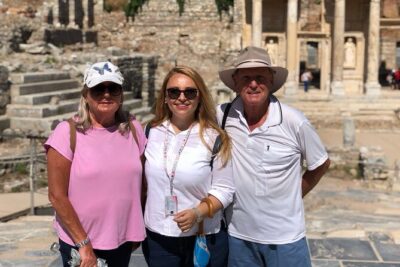
Off the Ship and Into Ephesus

Up to the House of the Virgin Mary
The Last Column of Artemis
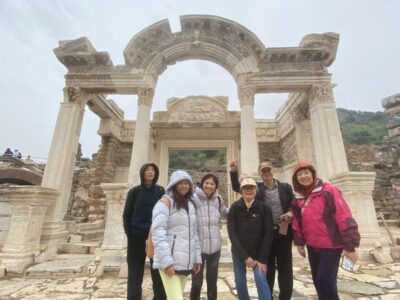
Just Added Around Kusadasi
- Drive by Ephesus&Ancient wonders(NO walking&NO hidden costs)★ 5.0 · 3 reviews
- Private Ephesus Tour for Cruise Guests★ 3.5 · 3 reviews
- Private Pamukkale and Ephesus Tours★ 4.5 · 3 reviews
- Ephesus and House of Virgin Mary From Kusadasi or Selcuk★ 4.0 · 3 reviews
- Ephesus Entry Ticket: Discover a Wonder of the Ancient World★ 4.6 · 3 reviews
- House of Virgin Mary and Shopping Tour Cruiser Only★ 5.0 · 3 reviews
House of the Virgin Mary Tours, compared.
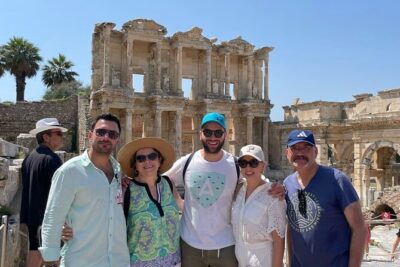 ★ 5.0Top Choice For Cruisers: Ephesus, Mary’s House WITH TICKETS+LUNCHFrom $297,233 reviews
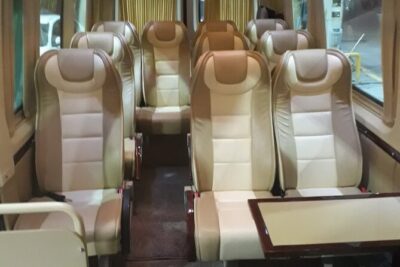 ★ 5.0PRIVATE NO HIDDEN FEES Ephesus, Mary’s House Guided Tour /GRP OPTFrom $992,455 reviews
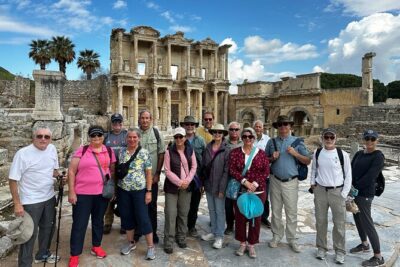 ★ 5.0ALL INCLUDED: Ephesus Ruins, Mary’s House Tour incl ENTRY TICKETSFrom $591,670 reviews
 ★ 5.0Ephesus Temple of Artemis and House of Mary Private Half Day TourFrom $151,573 reviews
 ★ 5.0PRIVATE TOUR FOR CRUISERS: Mary’s House (Meryemana) and EphesusFrom $291,349 reviews
 ★ 4.8Ephesus: Mary’s House and Artemis Tour with Entry TicketsFrom $35945 reviews
 ★ 5.0ALL INCLUSIVE Private Ephesus, House of Virgin Mary with lunchFrom $169819 reviews
 ★ 5.0ALL INCLUSIVE Private Ephesus, House of Mary, LUNCH, EntrancesFrom $134735 reviews
Browse the lists this tour appears in