
Review · KUSADASI SHOPPING & BAZAAR TOURS
Ephesus Shopping Tour
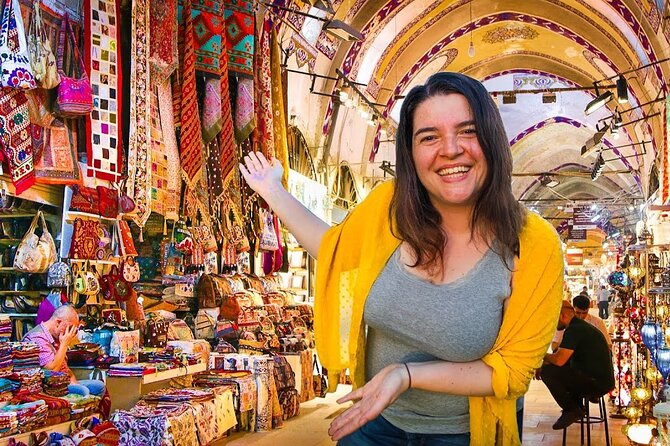
Shopping in Ephesus beats the usual souvenir stop. You get a short, practical route through real Turkish industries—carpets, leather, and spices—run by an English-speaking guide who gives you clear bargain guidance so you can shop smarter without feeling pushed. The best part for me is the human touch: small-group attention, plus a guide like Gismo who can keep even kids focused with smooth explanations.
One thing to consider: this is a shopping-first day. If you want archaeology only, you may feel your time split between markets and photo stops, and the optional Ancient City visit has a separate ticket cost.
In This Review
- Key things I’d plan around
- Port timing and why the luxury minivan matters
- Türkmen Carpet & Rugs Gallery: the craft, the promises, and what to ask
- Kusadası Leather: how the fashion show actually helps you shop
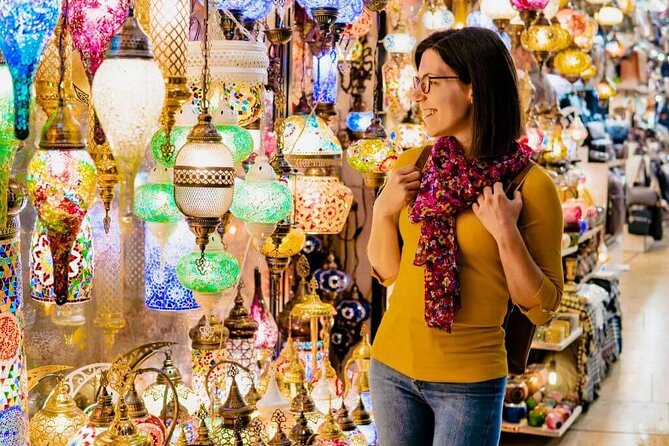
- Kusadası Bazaar: lokum samples, spice colors, and the “natural pharmacy” angle
- Artemis Temple: a short photo stop that won’t derail your day
- Optional Ancient City portion: how Ephesus is laid out on foot
- The guide experience: English clarity and real group attention
- Bargaining in a way that doesn’t turn awkward
- Price and value: why $17.50 can be a good deal
- What to buy (and what to be cautious about)
- Who should book this tour
- Should you book the Ephesus shopping tour?
- FAQ
- Where does the tour start in Kusadası?
- Is port pickup and drop-off included?
- How long is the tour?
- How much does it cost?
- Is the guide available in English?
- What admissions are included?
- Is there a place to buy souvenirs during the tour?
- What is the cancellation policy?
Key things I’d plan around
- Small group attention (8 or fewer) so questions don’t get lost in the back row
- Türkmen carpet stop with a 5-year exchange promise if you keep your original invoice and the item is undamaged
- Kusadası Leather leather factory outlet with a fashion show, plus time to feel fabrics and browse
- Lokum and spice market finale with samples and recognizable items like Pul Biber and Sumac
- Artemis Temple photo stop keeps your eyes on the classics without eating the whole day
Port timing and why the luxury minivan matters
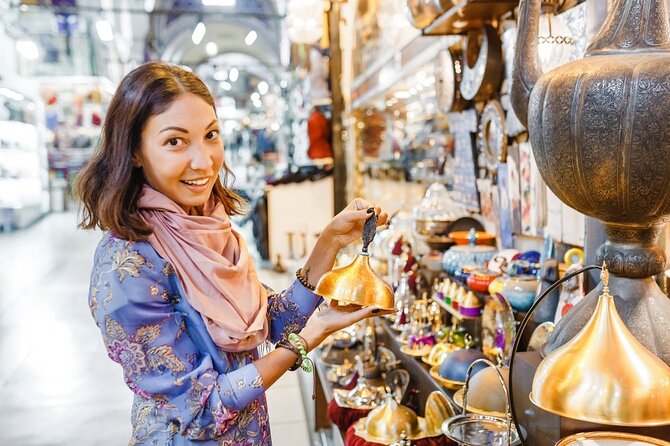
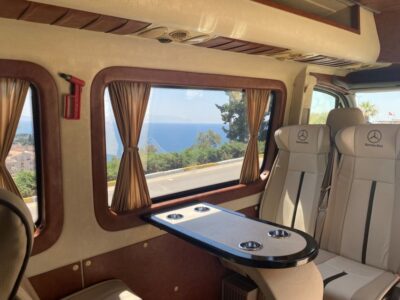
This tour is built for the real clock on the Aegean—cruise days. You’re picked up from Kusadası Cruise Port with no waiting, then whisked around in a luxury minivan. The big win is the on-time cruise return guarantee, which means you can shop with less stress and more focus.
The duration is listed as about 1 to 4 hours. That range usually comes down to whether you add the Ephesus Ancient City portion. For a cruise stop, that flexibility is gold: you can keep it short if you only want the markets, or extend it if you also want the famous ruins walk.
The tour also uses a mobile ticket, which is handy when you’re juggling shore excursions and ship schedules. And because it’s a private experience for your group, you won’t feel like a number in a giant crowd.
Carpets, ceramics, leather stalls, more bazaar runs
- NO SHOPPING STOPS , NO HIDDEN FEES Ephesus 3/4 hour Tours
★ 4.9 · 128 reviews - NO SHOPPING STOPS, NO HIDDEN FEES Ephesus 3 / 4 hours Group tour
★ 5.0 · 51 reviews - “private Ephesus tours “” wholesaler Shop Tours “”from cruise port Kusadasi “
★ 5.0 · 19 reviews - “Ephesus Tours” Port Kusadasi lunch guide bus shopping Caravanserai artemis
★ 5.0 · 19 reviews
Türkmen Carpet & Rugs Gallery: the craft, the promises, and what to ask
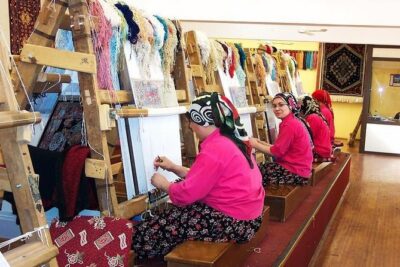
The first stop is a carpet and rugs gallery in Kusadası that focuses on natural dyed, handwoven pieces—think carpets, kilims, and soumaks. What I like about this kind of start is that it slows you down. You’re not just wandering stalls. You’re seeing how people describe their work: where designs come from, what “natural dye” means in practice, and why some patterns are tied to museums, mosques, or private collections.
The shop’s goal is to reproduce lost designs, which is a useful lens when you’re shopping. If you know you want something inspired by older patterns, you can ask how the design connects to what you’ve seen elsewhere. It also offers guidance on pricing, and the guide helps you figure out what seems fair versus what’s inflated for first-time buyers.
Two practical details stand out here:
- They process precious stones like sapphire, diamond, emerald, and ruby. Even if you don’t buy stones, it gives you an idea of the broader “luxury crafts” ecosystem in the shop.
- Purchases come with a five-year exchange if you have the original invoice and the item is undamaged.
That exchange promise is exactly the kind of thing you should care about. Before you buy, ask for the invoice on the spot and confirm how exchange works in practice. Keep paperwork somewhere safe until you’re done traveling.
Admission is listed as free for this stop, so your cost is mainly about the shopping choices you make—not entry fees.
Kusadası Leather: how the fashion show actually helps you shop
Next up is a leather factory outlet, famous for producing high-quality lambskin leather. You’ll start with an upbeat fashion show where professional models display the latest jackets, vests, and coats. You’ll see reversible designs, and the whole thing is designed to help you understand how the pieces look in real use, not just on a hanger.
Then you move into the showroom to feel the garments. That hands-on moment matters. Leather can look similar in photos but feel completely different once you’re holding it. The stop includes Turkish tea, which makes the browsing feel more like a showroom appointment than a rushed stop.
What to pay attention to here:
- Weight and flexibility: the stop emphasizes lightweight, silk-soft texture, so feel for that.
- Reversible options: if you’re buying one piece, reversible styles can give you more wear.
- Build quality: check stitching and lining before you commit (it’s the quickest way to spot value).
This is another stop where the guide’s shopping advice helps. When you’re unsure, ask questions about what’s being offered and what’s negotiable. Since bargaining guidance is part of the tour, you’re not left guessing how to talk about price.
Admission is listed as free for this stop as well.
Kusadası Bazaar: lokum samples, spice colors, and the “natural pharmacy” angle
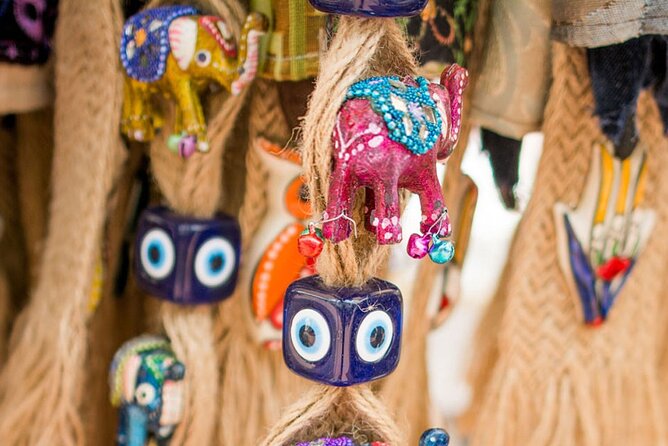
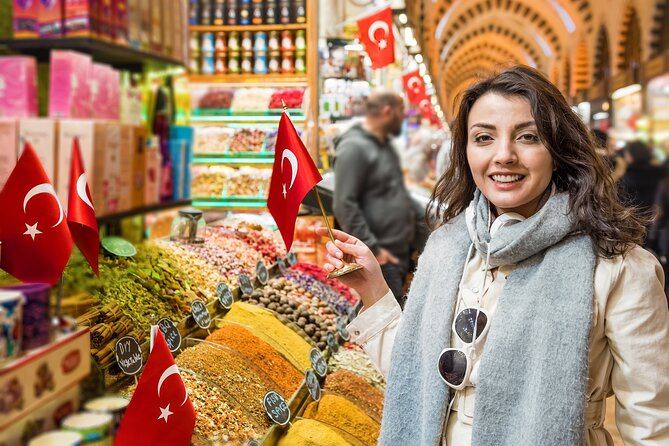
The finale is a Turkish delight and spice market that leans hard into senses. You’ll smell coffee, rosewater, and saffron, and you’ll get samples—especially of lokum (Turkish delight). The market experience here isn’t about pre-packaged boxes. It’s about hand-rolled sweets with ingredients like honey, pomegranate, barberries, and roasted pistachios.
Then you’ll see spices laid out in conical mounds. This is where you can shop like a cook, not like a tourist. Look out for:
- Pul Biber (Aleppo pepper)
- Sumac (tangy purple berry powder)
- Ottoman blends meant for meat and vegetables
If you’re the type who worries you’ll buy spices you’ll never use, this is actually a great stop to fix that. The guide can help you choose items that fit what you cook at home, and the market’s categories make it easier to buy with purpose.
One more practical twist: these markets often act like a natural pharmacy, with flower teas, herbal remedies, and Aegean olive oil products. Even if you don’t buy anything medicinal, olive oil is one of those safe “bring-home” gifts that tends to survive travel and get used.
Since this is a tasting-driven stop, plan to budget for small purchases. It’s easier to love what you try than to buy blind and hope.
Admission is listed as free here too.
Artemis Temple: a short photo stop that won’t derail your day
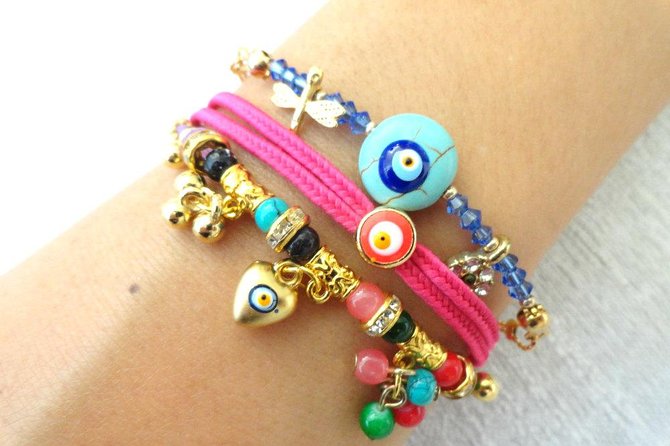
After shopping, you’ll have a brief stop at the Temple of Artemis for photos. It’s listed as about 10 minutes, with admission included. That short timing is intentional. You get the classic moment for your camera roll without losing half your afternoon.
If your group wants something more relaxed, this works well. It also pairs nicely with the later option for Ephesus Ancient City, since you get a quick taste of famous names before you walk longer ruins.

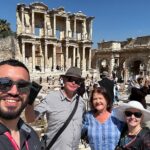
Optional Ancient City portion: how Ephesus is laid out on foot
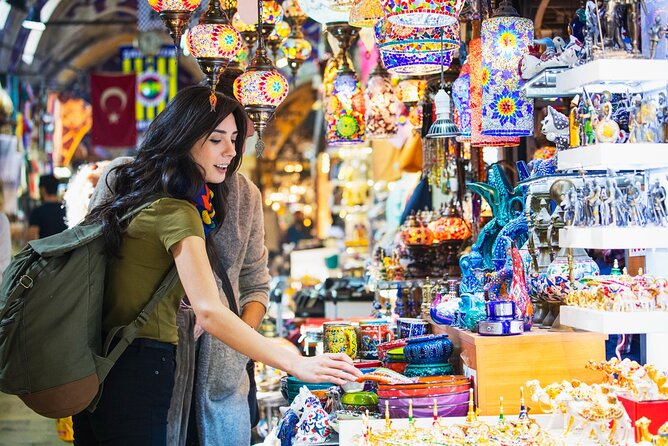
If you choose the Ephesus Tour option, you’ll add time to explore the Ancient City. The route is described as a descent through history, starting at the Upper Gate and winding down Curetes Way.
Here’s how the walk is framed:
- You’ll see the State Agora, a political hub.
- Then comes the Library of Celsus, described as the architectural crown jewel of the Roman world.
- The walk continues to the Great Theater, once echoing with voices of around 25,000 citizens.
- You exit via Harbor Street, walking marble paths that once saw emperors and apostles.
A key practical point: the ticket for the Ephesus Ancient City portion is not included. So if you’re deciding whether to add this, factor in entry costs on top of the tour price.
Also, budget your energy. Ruins walking adds up fast on stone paths. For many people, the shopping part is quick and hands-on. Ruins time asks for patience and steady pace. If you like both, you’ll probably enjoy the balance.
If you only like one of the two—shopping or ruins—pick accordingly. This tour can work either way, but it won’t feel like an all-day museum visit.
The guide experience: English clarity and real group attention
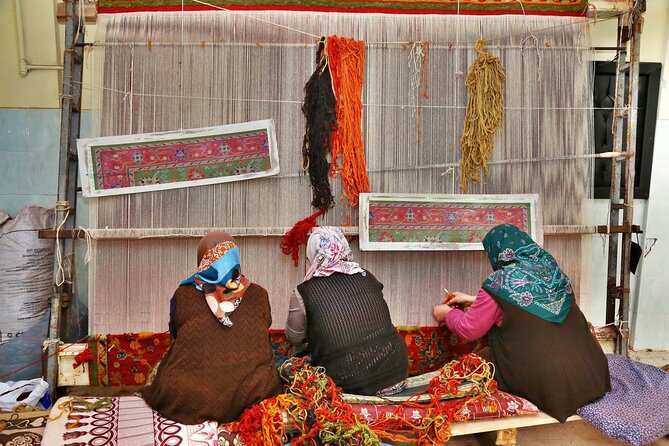
The tour includes an English-speaking guide, and that matters because shopping and bargaining are language-heavy. A guide who can explain what you’re looking at, and why it’s priced how it is, saves you money and confusion.
One name came up clearly in feedback: Gismo. The notes point to perfect English, solid knowledge, and clear instructions for where to go and what happens next. That last part is underrated on cruise days. You don’t want to stand around trying to find the meeting point while your ship schedule ticks.
Group size is also kept small—eight or fewer. In practice, that means you’re more likely to get direct answers, not generic advice. And since the tour is private for your group, you’re less likely to feel swept along when you want to linger at a display.
There’s one small logistics note worth taking seriously. One review mentioned the vehicle could use step stools for passengers who might have trouble getting in. If you have any mobility limits, it’s smart to bring it up before boarding. Ask for assistance if needed, and plan how you’ll handle the minivan steps.
Bargaining in a way that doesn’t turn awkward
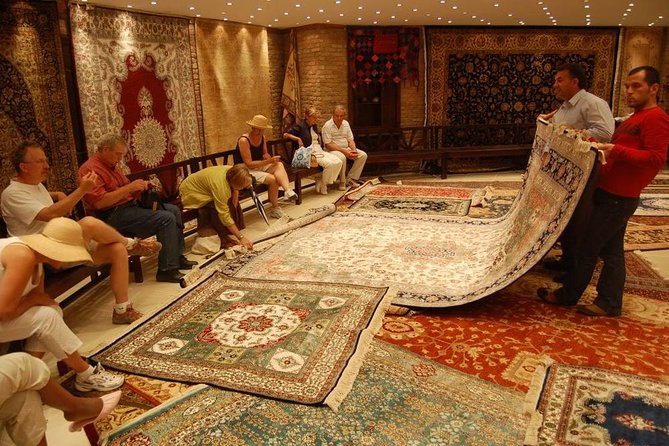
This tour includes guidance on when and how to bargain, which is basically the difference between a fun market and a stressful one. When a guide tells you how to approach sellers, you’ll usually get more reasonable conversations and fewer dead-end haggles.
I like that the shopping route isn’t just random. It starts with high-touch crafts—carpets first—then moves to leather, then to spices. That order naturally builds from high-ticket, slow decision-making to faster sensory shopping.
Still, keep a steady mindset:
- Decide what you’re truly buying: practical items (like spices) versus long-term pieces (like carpets or leather).
- Ask about the item and the terms you care about—especially things tied to invoice paperwork and guarantees.
And don’t forget the simplest rule: buy what you can picture using or wearing at home. If you can’t, save your money and enjoy the show.
Price and value: why $17.50 can be a good deal
At $17.50 per person, this tour is priced as an inexpensive way to get both shopping and cultural stops tied to a cruise schedule. But the real value is in what you get for that price.
You’re paying for:
- English guide
- Port pickup and drop-off with a luxury minivan
- On-time cruise return guarantee
- A mobile ticket
- Multiple stops where admission is listed as free (carpets, leather, spice market)
- A Temple of Artemis photo stop with admission included
Souvenirs aren’t included, of course. That’s where your personal spending happens. But the tour fee covers the structure, transport, and guidance—things that usually cost more if you do them on your own.
If you end up buying something, the guide’s bargaining guidance plus any shop guarantee (like the 5-year exchange) can push the value even higher. If you don’t buy, you still get a guided taste of how Turkish crafts and markets operate, which many people find more useful than wandering alone.
What to buy (and what to be cautious about)
If you’re buying a carpet, go in with patience. It’s usually a higher-cost item with more questions attached. The carpet stop includes a stated exchange policy with an original invoice and undamaged item, so treat paperwork like part of the purchase.
If you’re buying leather, feel first, then ask. Leather goods can feel great in the showroom but have different expectations at home. The fashion show helps you compare styles, but the showroom feeling is where you make the final call.
For spices and lokum, it’s easier. Samples help you decide, and these are compact compared to large textiles. Just think about travel: if you’re flying next, plan how you’ll pack liquids, oils, or fragile items. The market includes teas, olive oil, and herbal remedies, so you’ll have options beyond food.
And one honest note: if you’re the kind of shopper who doesn’t like bargaining at all, you might feel the day centers too much on shopping. You can still enjoy the craft demos and the market atmosphere, but your satisfaction will depend on your shopping mood that day.
Who should book this tour
Book this if:
- You’re on a cruise and want a time-smart port plan
- You like shopping with structure and guidance
- You want to see crafts up close: carpet weaving focus, leather fashion showcase, and spice tastings
- You have kids or teenagers who enjoy being “included” in the fun; the leather stop’s fashion show is designed to catch attention
Skip it (or keep expectations modest) if:
- You only want ruins with no shopping angle
- You dislike markets and bargaining entirely
- You’d rather spend more time in Ephesus itself than in shops and photo moments
If you’re flexible and curious, this tour tends to work beautifully. It’s short, practical, and designed to fit real shore-excursion limits.
Should you book the Ephesus shopping tour?
I’d book it if you want a guided, low-stress way to shop smart in Kusadası while getting at least a taste of the Ephesus area. The mix of stops makes sense: crafts first, then leather, then a food-and-spice market finale. The English guide and small-group feel (8 or fewer) are the kinds of details that turn a shopping day into a useful cultural one.
If you’re laser-focused on archaeology, consider adding only the parts you care about, or pair this with another Ephesus-focused plan. But if you want a bit of everything—souvenirs you can explain, plus a couple of major landmark moments—this is a strong value at $17.50.
FAQ
Where does the tour start in Kusadası?
The meeting point is Kuşadası Port Türkiye (Camikebir, Feribot Limanı, 09400 Kuşadası/Aydın, Türkiye).
Is port pickup and drop-off included?
Yes. You get port pickup and drop-off by luxury minivan.
How long is the tour?
It’s listed as about 1 to 4 hours, depending on what you add.
How much does it cost?
The price is $17.50 per person.
Is the guide available in English?
Yes. The tour includes an English-speaking guide.
What admissions are included?
Admission is listed as free for the carpet, leather, and spice market stops. The Temple of Artemis photo stop has admission included. The Ephesus Ancient City ticket is not included if you choose that option.
Is there a place to buy souvenirs during the tour?
Yes, souvenirs are available to purchase during the stops, but souvenirs are not included in the tour price.
What is the cancellation policy?
You can cancel for a full refund up to 24 hours in advance of the experience start time.
The Rest of the Shortlist
Through the Kusadasi Bazaar
Just Added Around Kusadasi
- Ephesus and House of Mary from Kusadasi Cruise Port★ 4.0 · 3 reviews
- Ephesus: 4-Hour Guided Tour with Transfer from Kusadasi★ 5.0 · 3 reviews
- Sirince Village & Selcuk Bazaar Tour From Kusadasi★ 4.5 · 3 reviews
- FOR CRUISERS: Best of Ephesus Tour with GUARANTEED ON-TIME RETURN★ 5.0 · 3 reviews
- Shore Excursion: Private Pamukkale Tour From Kusadasi Port★ 5.0 · 3 reviews
- For Cruisers: Ancient Ephesus Private Tour From Kusadasi Port★ 5.0 · 3 reviews
Kusadasi Shopping & Bazaar Tours, compared.
 ★ 4.9NO SHOPPING STOPS , NO HIDDEN FEES Ephesus 3/4 hour ToursFrom $56128 reviews
 ★ 5.0Private Ephesus Tour | History Only | No Shopping StopsFrom $23562 reviews
 ★ 5.0NO SHOPPING STOPS, NO HIDDEN FEES Ephesus 3 / 4 hours Group tourFrom $8351 reviews
 ★ 5.0“Ephesus Tours” Port Kusadasi lunch guide bus shopping Caravanserai artemisFrom $6419 reviews
 ★ 5.0“private Ephesus tours “” wholesaler Shop Tours “”from cruise port Kusadasi “From $1019 reviews
 ★ 5.0Ephesus And Virgin Mary House Without Any Shopping StopsFrom $3148 reviews
 ★ 5.0Ephesus Tour from Kusadasi Port – NO SHOPPING STOPS, GuaranteedFrom $2378 reviews
 ★ 5.0Private Ephesus and Shopping Tour for Cruisers OnlyFrom $307 reviews
Browse the lists this tour appears in